Negli ultimi anni, l’innovazione tecnologica ha trasformato radicalmente il settore della sorveglianza e della sicurezza. Tecnologie all’avanguardia come i droni, i sistemi di riconoscimento facciale e altri dispositivi avanzati stanno ridefinendo le strategie di sorveglianza, promettendo un futuro in cui la sicurezza pubblica e privata potrebbe essere garantita con maggiore efficacia e sollevando, allo stesso tempo, questioni importanti riguardanti la privacy e l’etica.
Implicazioni in materia di Privacy
L'uso di tecnologie avanzate di sorveglianza comporta il rischio di intrusione nella vita privata delle persone, spesso senza il loro consenso esplicito. Telecamere, droni e software di riconoscimento facciale possono raccogliere una vasta quantità di dati personali sensibili, introducendo preoccupazioni in termini di sorveglianza pervasiva, profilazione e potenziale abuso di queste informazioni.
Il riconoscimento facciale, in particolare, è stato oggetto di notevole dibattito. Mentre può migliorare la sicurezza pubblica e facilitare l’identificazione di sospetti, solleva questioni riguardanti l’accuratezza, i falsi positivi, la discriminazione e l’uso arbitrario o eccessivo.
Riconoscimento facciale: sicurezza o sorveglianza?
Il riconoscimento facciale rappresenta una importante frontiera dell’innovazione tecnologica nella sorveglianza. Questi sistemi permettono di identificare individui in tempo reale, confrontando le immagini catturate con database preesistenti. Se da un lato possono incrementare significativamente l’efficacia delle misure di sicurezza, identificando sospetti o individui ricercati in grandi folle, dall’altro sollevano interrogativi profondi sulla privacy e sul rischio di abusi, come la sorveglianza di massa o l’identificazione errata.
Droni per la sorveglianza aerea
THE droni, con le loro capacità di volo e registrazione video ad alta definizione, offrono una prospettiva unica per il monitoraggio di aree vaste o di difficile accesso. Utilizzati dalle forze dell’ordine per monitorare le folle durante eventi di grande affluenza o per sorvegliare le frontiere, i droni possono anche essere impiegati per operazioni di ricerca e salvataggio, offrendo una risposta rapida in situazioni critiche. La loro versatilità li rende strumenti preziosi, ma solleva anche preoccupazioni per la possibilità di sorveglianza indiscriminata e invasiva.

L’Intelligenza artificiale
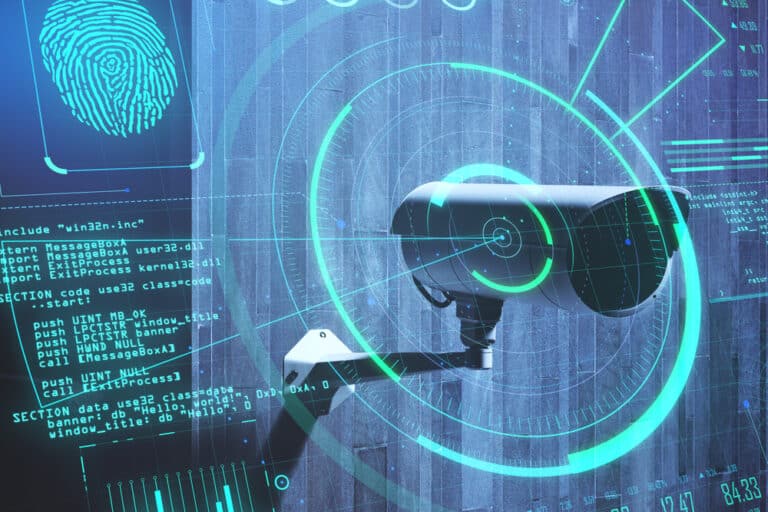
Oltre ai droni e al riconoscimento facciale, altre tecnologie emergenti stanno trovando applicazione nella sorveglianza. L‘intelligenza artificiale, ad esempio, trova largo utilizzo nel settore sicurezza. Grazie ai software più avanzati, infatti, è possibile oggi analizzare enormi quantità di dati provenienti da telecamere di sicurezza, rilevando comportamenti sospetti con una precisione senza precedenti. Tuttavia, l’uso di queste tecnologie richiede una riflessione etica approfondita e una regolamentazione attenta per evitare violazioni della privacy e garantire che l’innovazione tecnologica sia al servizio della società in modo responsabile.
Normative chiare e principi etici: verso un futuro sicuro e rispettoso
L’innovazione tecnologica nel campo della sorveglianza offre senza dubbio opportunità straordinarie per migliorare la sicurezza pubblica e privata. Tuttavia, è fondamentale che l’adozione di queste tecnologie sia guidata da principi etici solidi e da una normativa chiara che bilanci i benefici in termini di sicurezza con il rispetto della privacy individuale. Solo attraverso un dialogo aperto tra sviluppatori tecnologici, legislatori, forze dell’ordine e società civile sarà possibile sfruttare appieno le potenzialità di queste innovazioni, garantendo al contempo che i diritti fondamentali siano preservati nel nostro cammino verso un futuro più sicuro.
La Giurisprudenza e la Legislazione stanno nel frattempo cercando di tenere il passo con queste innovazioni, bilanciando la necessità di sicurezza con il rispetto dei diritti fondamentali degli individui.
Movimenti nella Giurisprudenza e Legislazione
A livello globale, le risposte giuridiche e legislative all’uso di nuove tecnologie di sorveglianza variano significativamente. Alcuni paesi hanno introdotto regolamenti specifici per l’uso dei droni e del riconoscimento facciale, mentre altri si affidano a leggi sulla privacy e sulla protezione dei dati esistenti.
In Europa, il Regolamento Generale sulla Protezione dei Dati (GDPR) fornisce un quadro robusto per la tutela della privacy, imponendo rigorosi requisiti per il trattamento dei dati personali. Ciò include l’obbligo di ottenere il consenso informato prima di utilizzare tecnologie di sorveglianza che raccolgono dati personali, nonché di limitare la raccolta e l’utilizzo di tali dati allo stretto necessario e per periodi specificati.
In altri contesti, abbiamo visto l’emanazione di moratorie sull’uso del riconoscimento facciale da parte delle forze dell’ordine o in specifici contesti pubblici, sottolineando le preoccupazioni per la privacy e l’etica.
Altra questione è la trasparenza e il controllo pubblico sull’uso delle tecnologie di sorveglianza. È fondamentale che ci sia una chiara comunicazione riguardo all’uso di queste tecnologie, insieme alla possibilità per gli individui di contestare l’uso improprio dei loro dati.